- Hide menu
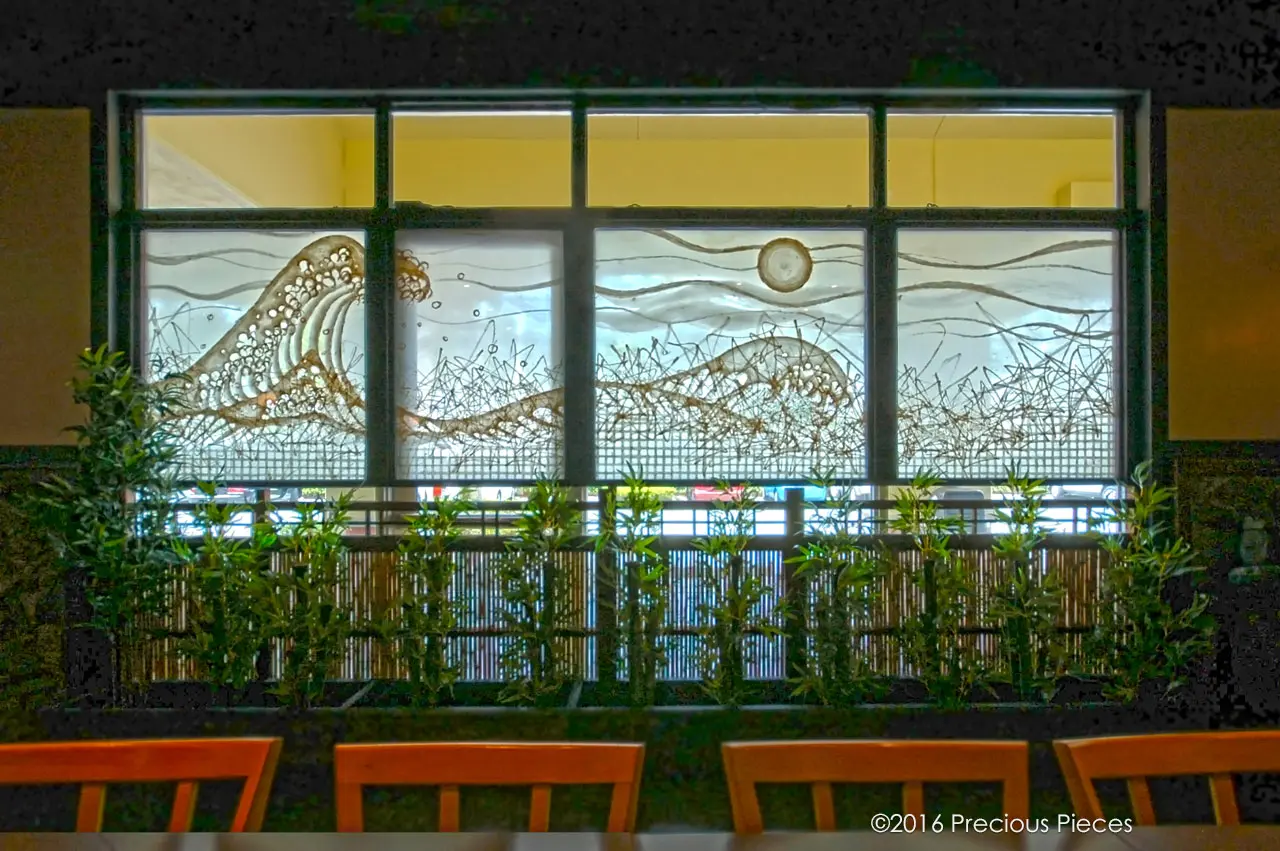
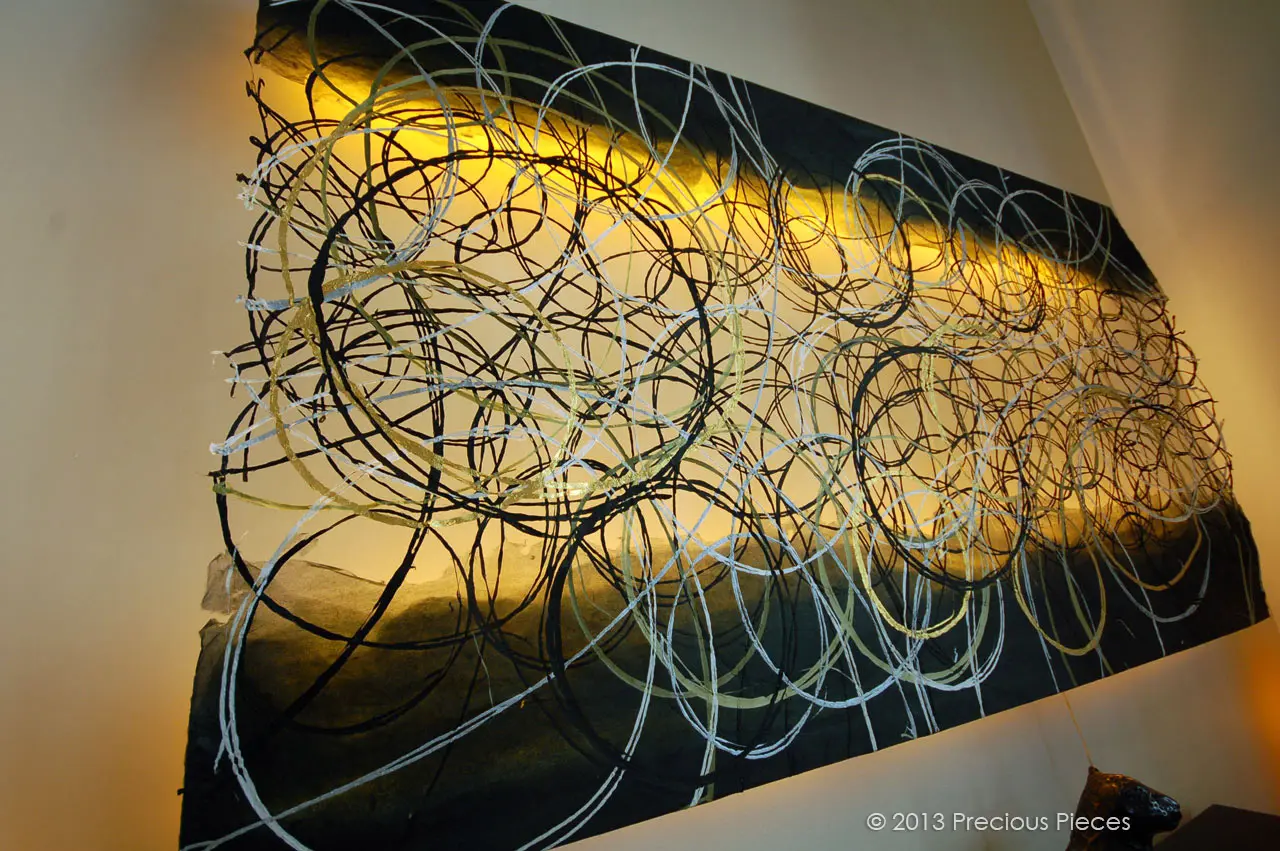
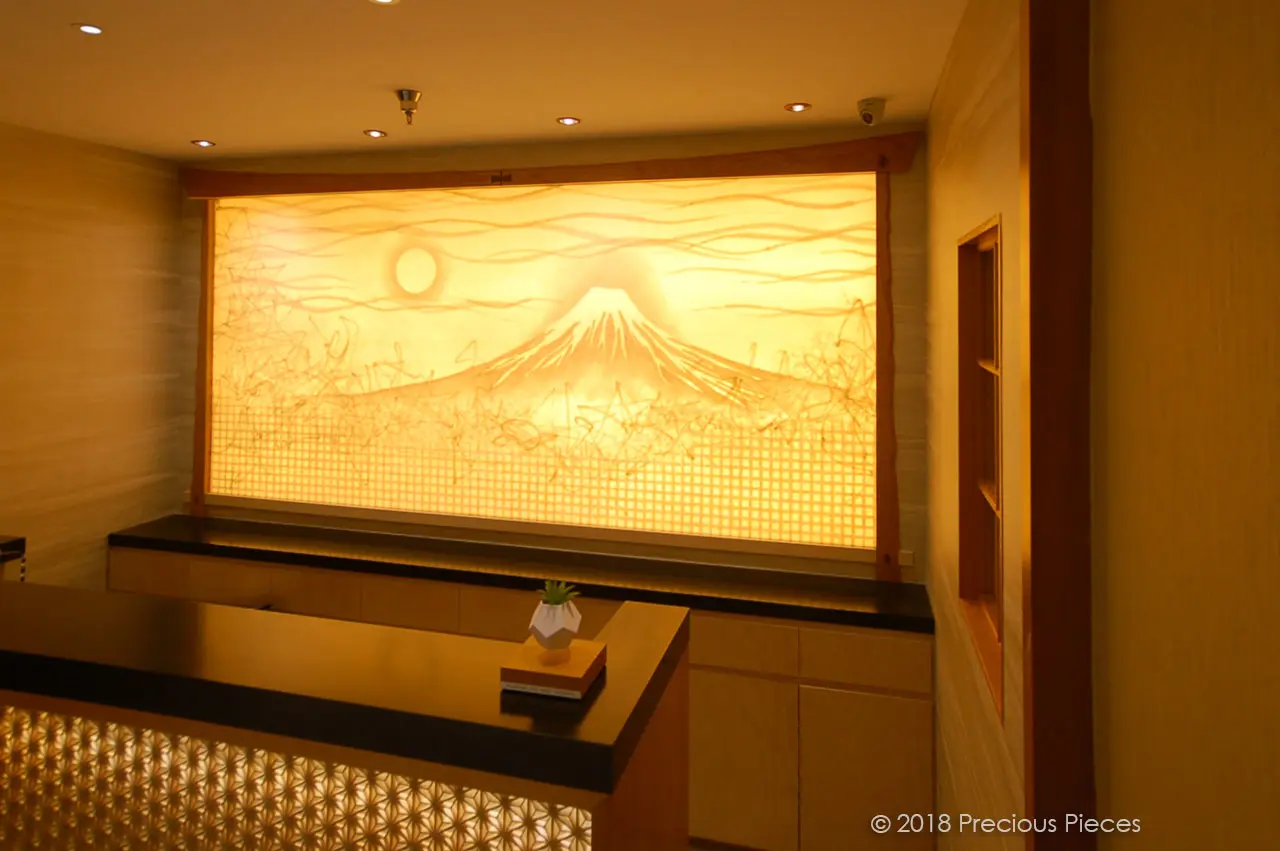
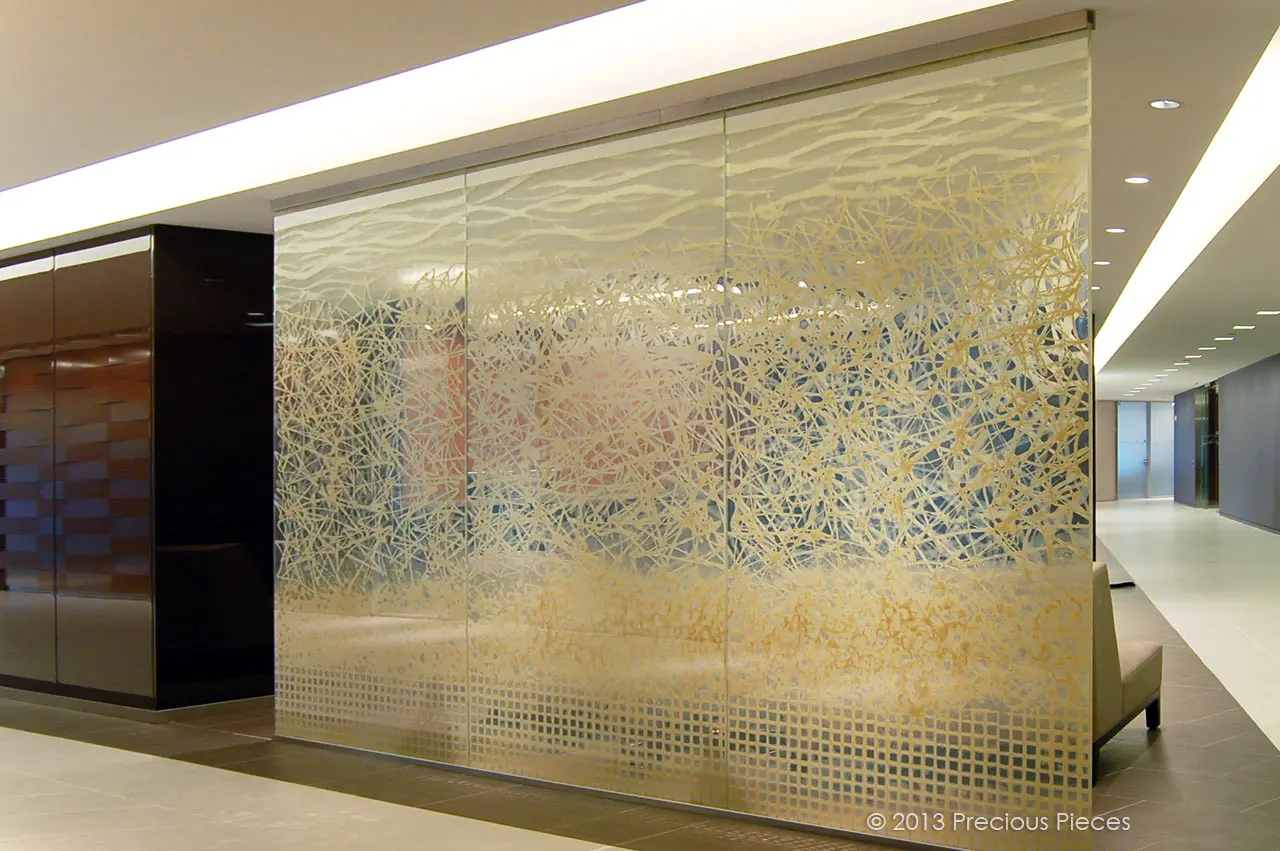
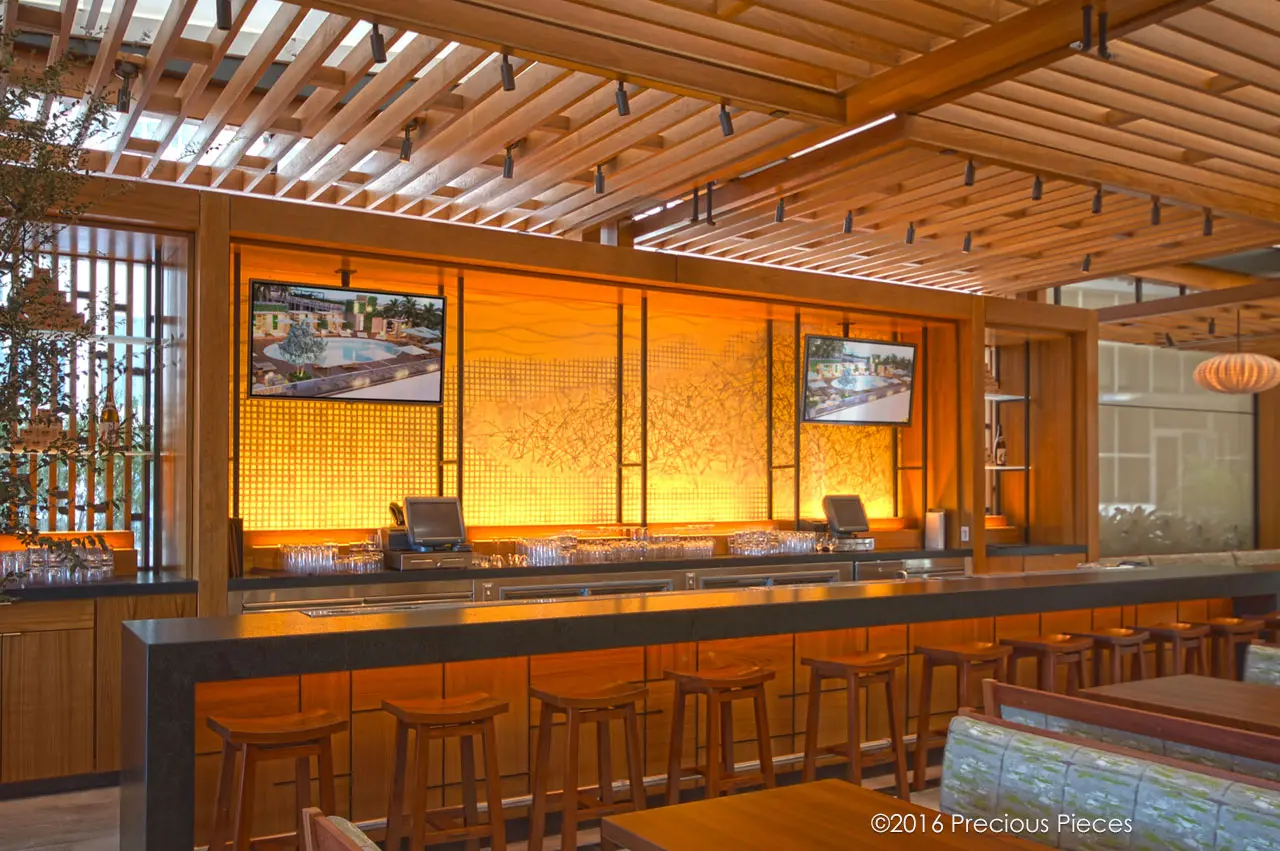
Washi (WAH -shee) Architectural Parchment is plant- based sheet made from sustainably harvested extra fine bark fiber and pigments
Portfolio
Architecture
Feature Walls
Illuminated Walls
Doors & Sliding Panels
Wallcoverings
Room Divider & Screen
Window Treatments
Design
Lighting
Signage
Accessories
About Us
Who We Are
What is Washi?
Washi Making Process
Our Artisans in Japan for Sharing Their Craft
Mission Statement
The Artist
Client List
Recognition
What We Do
Custom Large Sheets
Premium Washi Parchment
Laminated Glass Panel
Sustainability
Custom Designs, Colors, And Treatments
Washi for doors
Restore & Replacement of Shoji & Fusuma Doors
Washi Tatami Mats
Washi Panels & Partitions
What We Use
Methods of Placing Washi to Glass / Acrylic Panels
Laminated Glass Panel
Laminated Glass Specification
Washi For Exterior
Light + Washi = Magic
A Warm Winter Interior
Washi Signage by Watermark Techniques
Backing Applications
UL approved backing
Film Backing Washi
Foam Backing Washi
Durability with Special Coatings
Class A Fire Retardant
Durable Water Repellent (DWR)
Urushi Authentic Japanese Lacquer
Kaki-shibu (Japanese lacquer)
Konjac Plant Clear Coat
Sizing
Light + Washi = Magic
The Collection
Premium Washi Parchment
Custom Large Sheets
Reinforced Washi
Reinforced Tear and Poke Proof Washi
Shrink Resistant Washi
Applications
Durability with Special Coatings
Methods of Placing Washi to Glass / Acrylic Panels
Laminated Glass Panel
Laminated Glass Specification
Washi for doors
Natural Adhesive
Wallcoverings
Washi For Exterior
Laminated Washi Panels for COVID-19 Protection
Custom Design Guide
Design Your Zen-Inspired Interiors
A Warm Winter Interior
Catalog/ Sample
NEWS
Recent Events
Archives
Press
日本語
Links
Hiro Odaira.com
MDI
Visit Our Classic Full Web SIte
facebook
Twitter
Google日本語翻訳
Subscribe to Our Newsletter
Contact Us
Email Us
Menu
Portfolio
Architecture
Feature Walls
Illuminated Walls
Doors & Sliding Panels
Wallcoverings
Room Divider & Screen
Window Treatments
Design
Lighting
Signage
Accessories
About Us
Who We Are
What is Washi?
Washi Making Process
Our Artisans in Japan for Sharing Their Craft
Mission Statement
The Artist
Client List
Recognition
What We Do
Custom Large Sheets
Premium Washi Parchment
Laminated Glass Panel
Sustainability
Custom Designs, Colors, And Treatments
Washi for doors
Restore & Replacement of Shoji & Fusuma Doors
Washi Tatami Mats
Washi Panels & Partitions
What We Use
Methods of Placing Washi to Glass / Acrylic Panels
Laminated Glass Panel
Laminated Glass Specification
Washi For Exterior
Light + Washi = Magic
A Warm Winter Interior
Washi Signage by Watermark Techniques
Backing Applications
UL approved backing
Film Backing Washi
Foam Backing Washi
Durability with Special Coatings
Class A Fire Retardant
Durable Water Repellent (DWR)
Urushi Authentic Japanese Lacquer
Kaki-shibu (Japanese lacquer)
Konjac Plant Clear Coat
Sizing
Light + Washi = Magic
The Collection
Premium Washi Parchment
Custom Large Sheets
Reinforced Washi
Reinforced Tear and Poke Proof Washi
Shrink Resistant Washi
Applications
Durability with Special Coatings
Methods of Placing Washi to Glass / Acrylic Panels
Laminated Glass Panel
Laminated Glass Specification
Washi for doors
Natural Adhesive
Wallcoverings
Washi For Exterior
Laminated Washi Panels for COVID-19 Protection
Custom Design Guide
Design Your Zen-Inspired Interiors
A Warm Winter Interior
Catalog/ Sample
NEWS
Recent Events
Archives
Press
日本語
Links
Hiro Odaira.com
MDI
Visit Our Classic Full Web SIte
facebook
Twitter
Google日本語翻訳
Subscribe to Our Newsletter
Contact Us
Email Us
Home



 facebook
 Twitter